
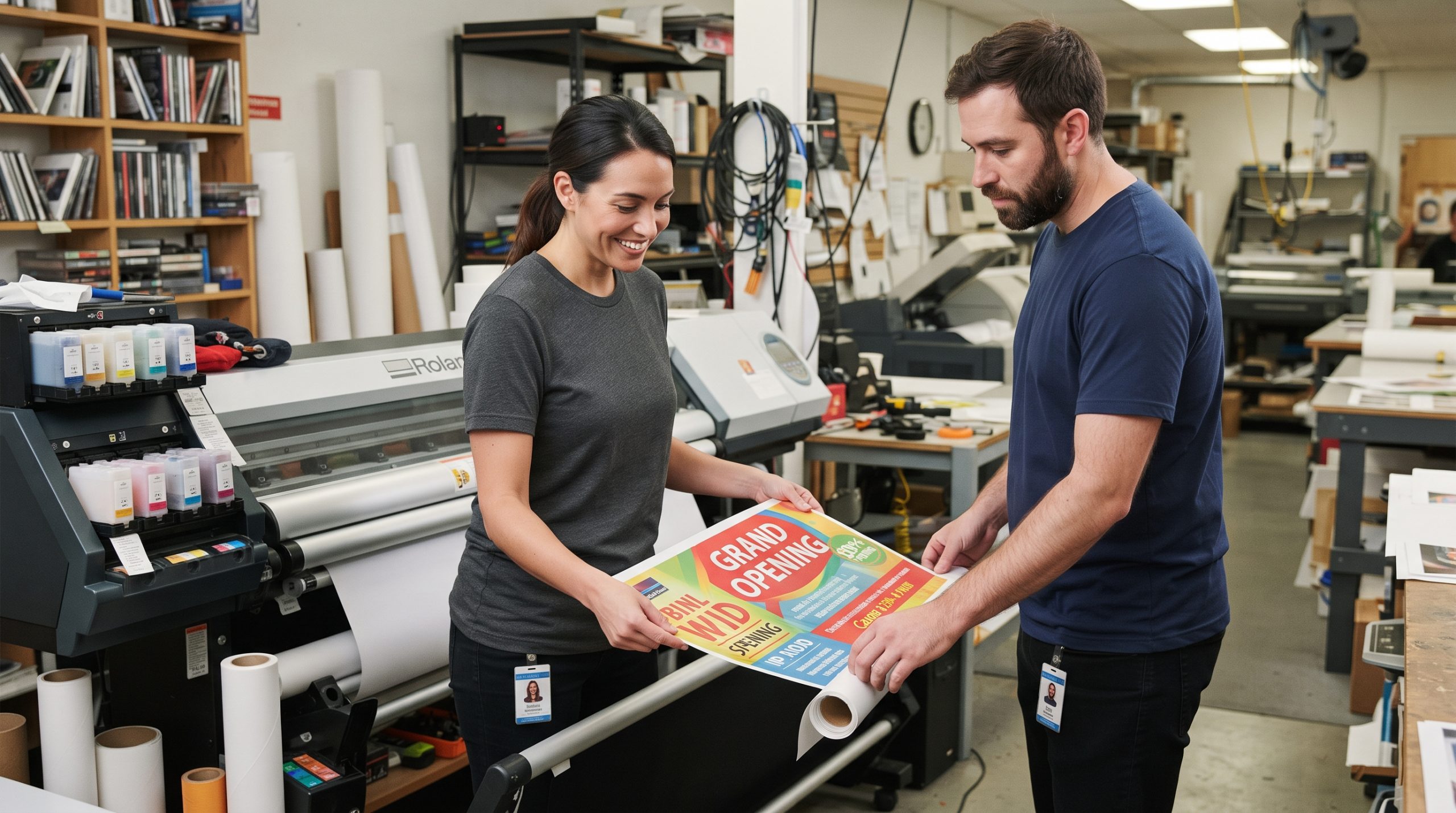
In a competitive marketplace, businesses need effective ways to capture attention, communicate their message, and build lasting relationships with customers. Although digital marketing offers many opportunities, printed materials continue to provide a valuable way to promote products and services. From brochures and flyers to posters, banners, and business cards, physical advertising helps brands reach audiences in their everyday environments. A well-designed print campaign combines attractive visuals, clear messaging, and quality materials to create a professional impression that customers can remember.
Print marketing works particularly well when businesses want to communicate locally, promote special offers, or provide information customers can keep for future reference. With thoughtful planning and consistent branding, printed advertisements can support broader marketing goals and help businesses stand out from competitors.
Why Print Advertising Still Matters
Print Advertising remains an effective promotional method because it gives customers something tangible to see, read, and retain. Unlike online advertisements that may disappear after a few seconds, printed materials can stay on desks, shop counters, noticeboards, and household surfaces. This continued visibility creates additional opportunities for people to recognize a business and remember its services when a need arises.
Another advantage is the flexibility of print campaigns. Businesses can distribute promotional materials at exhibitions, retail locations, community events, and direct customer meetings. By selecting suitable formats and placing them where the intended audience is most likely to notice them, companies can communicate relevant messages without relying entirely on online platforms.
Choosing the Right Printed Marketing Materials
Every advertising campaign has a different purpose, so selecting the right format is an important first step. Flyers are useful for announcing discounts, introducing new services, and sharing event details. Brochures provide more space for explaining products, presenting service benefits, and answering common customer questions. Posters attract attention in public spaces, while business cards offer a convenient way to exchange contact information during professional interactions.
Material quality also influences how customers perceive a brand. Clear printing, suitable paper, balanced layouts, and readable typography help promotional items look organized and trustworthy. Businesses should consider their budget, distribution method, audience, and campaign objectives before selecting a printing format. A carefully chosen product can deliver a stronger message than an expensive design that does not suit the intended purpose.
Designing Advertisements That Capture Attention
Successful printed promotions begin with a clear visual hierarchy. Customers should immediately understand what is being offered, why it matters, and how they can respond. A compelling headline, relevant imagery, concise supporting text, and visible contact information make advertisements easier to understand. Overcrowding a design with excessive details can weaken its impact and discourage readers from exploring the message.
Brand consistency is equally important. Colors, logos, fonts, and visual elements should reflect the company’s established identity across different promotional materials. When customers encounter consistent branding repeatedly, they can recognize the business more easily. Before approving a design, companies should review spelling, image quality, alignment, color contrast, and the accuracy of essential details to avoid costly printing mistakes.
Connecting Print Campaigns With Digital Marketing
Printed promotions can become more effective when they work alongside digital marketing activities. Adding a QR code to a brochure, poster, or flyer allows customers to visit a website, explore a product catalog, access a special offer, or contact the business using their smartphones. This connection combines the physical visibility of printed materials with the convenience of online information.
Businesses can also measure campaign performance by using unique landing pages, promotional codes, or dedicated contact details. These methods help identify which materials generate inquiries, website visits, and sales. Tracking results allows marketers to improve future campaigns, adjust distribution strategies, and invest in formats that produce meaningful engagement. Integrating channels also creates a more consistent customer journey from initial awareness to purchase.
Reaching the Right Audience Through Local Promotion
Local businesses can benefit significantly from distributing printed advertisements in locations where potential customers regularly spend time. Restaurants may promote menus and seasonal offers, retailers can announce sales, and service providers can share information about their expertise. Event organizers can use posters and flyers to increase awareness before a launch, exhibition, or community gathering.
Effective distribution requires more than printing large quantities. Companies should identify their target audience, choose appropriate locations, and consider the timing of their campaigns. Materials delivered to relevant customers are more likely to generate interest than advertisements distributed without a clear strategy. Working with experienced printing professionals can help businesses select practical formats and maintain consistent quality throughout a campaign.
How Shaheen Advertising Supports Business Promotion
Creating promotional materials requires attention to design, print quality, and the intended marketing objective. Shaheen Advertising helps businesses approach their promotional needs with a focus on presenting information clearly and maintaining a professional brand image. Whether a company needs materials for a product launch, a retail promotion, or a business event, careful planning can help ensure that every printed item communicates the intended message effectively.
From selecting suitable materials to preparing artwork for production, each stage contributes to the final result. Businesses should consider how their advertisements will look, where they will be displayed, and what action they want customers to take. With appropriate preparation and consistent branding, printed promotions can support customer engagement while strengthening the overall marketing strategy.
Measuring the Value of Printed Promotions
Understanding campaign performance helps businesses make better marketing decisions. Companies can monitor inquiries, customer responses, redemption of printed coupons, and visits generated through campaign-specific QR codes. Comparing these results with production and distribution costs provides a clearer picture of the return on investment. Although some benefits, such as brand recognition, are difficult to measure immediately, consistent tracking can reveal useful patterns over time.
Testing different headlines, designs, paper types, and distribution locations can also improve results. Businesses should avoid assuming that a single format will work equally well for every audience. Instead, they can evaluate customer feedback and campaign data to refine future materials. Regular improvements help maintain relevance, reduce unnecessary spending, and create promotional campaigns that support long-term business objectives.
Print Advertising for Long-Term Brand Recognition
Building a recognizable brand requires repeated exposure, reliable communication, and a consistent customer experience. Printed materials can reinforce these elements by presenting the same visual identity across brochures, packaging inserts, posters, and other promotional products. When customers repeatedly encounter professional materials, they become more familiar with the business and may feel more confident exploring its offerings.
Businesses can strengthen this approach by keeping information accurate, refreshing outdated designs, and ensuring that every advertisement has a clear purpose. Shaheen Advertising can be part of a business’s efforts to present its services professionally through carefully prepared promotional materials. A consistent approach helps companies communicate their value and remain visible in a crowded marketplace.
Conclusion
Printed promotional materials continue to offer businesses a practical way to communicate, attract attention, and strengthen brand recognition. From selecting suitable formats to designing clear messages and measuring campaign results, every decision influences advertising performance. Combining physical materials with digital tools can extend reach and make customer responses easier to track. With thoughtful planning, consistent branding, and quality production, businesses can use print marketing to support meaningful customer relationships and sustainable growth. Shaheen Advertising provides a starting point for businesses looking to develop professional printed promotions that reflect their identity and marketing goals.
No responses yet